here’s an answer to sim’s query about low-light shooting with a digital camera, specifically the model up from mine, the canon powershot g3 (quite a nice camera, but would you believe the powershot g5 is already out!?)
sim, you can take better shots in low light with a g3 than a g2 because it has better noise-processing capabilities when dealing with the higher iso’s. there’s no secret really, i have taken around 11,000 shots since december. some of them are blurry as all heck, some are not. basically i have gotten better at holding the camera with almost absolute stillness. i have a tripod but i rarely use it unless i plan out an adventure ahead of time.
so far as the glowing night shots go, the camera has to be ultra still for the 15 second shots. it doesn’t matter if it is on a tripod or sitting on a fence-post — any movement will be picked up.. even vibrations from pressing the shutter button. so i use a timer unless the camera is lodged securely. even with a tripod i use the timer to remove movement.
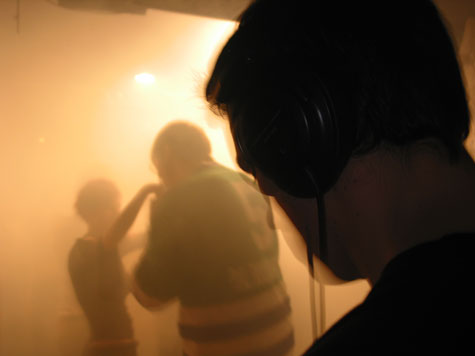
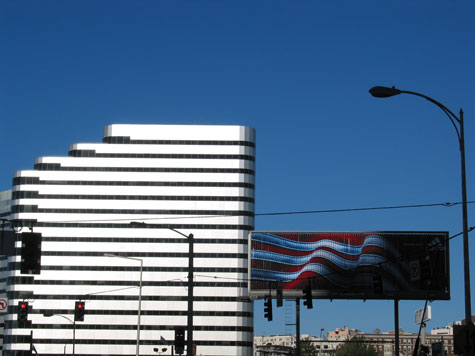
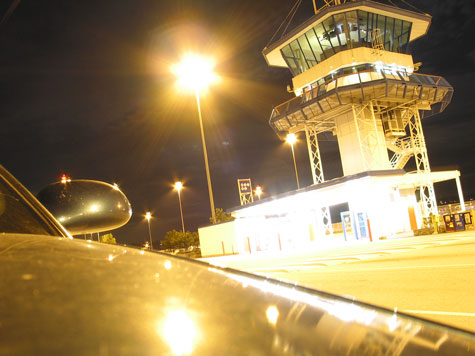
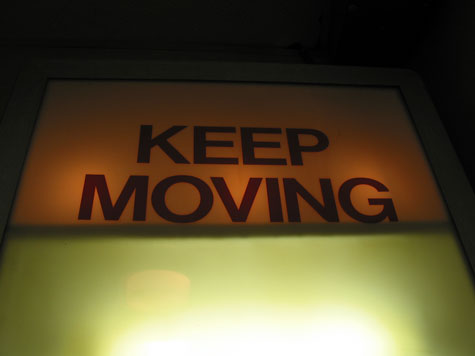
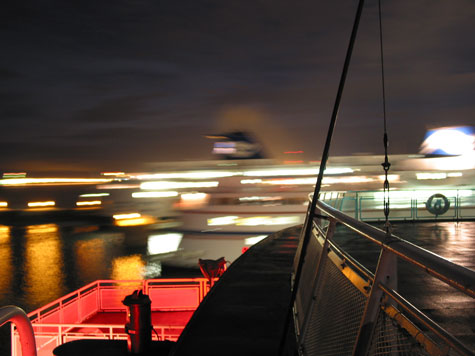
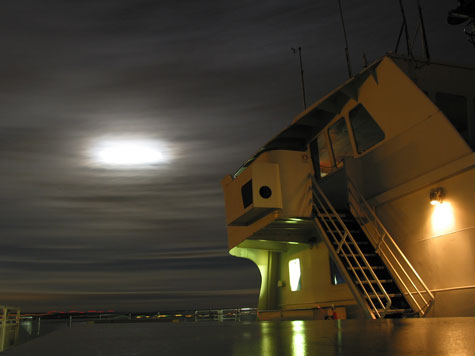
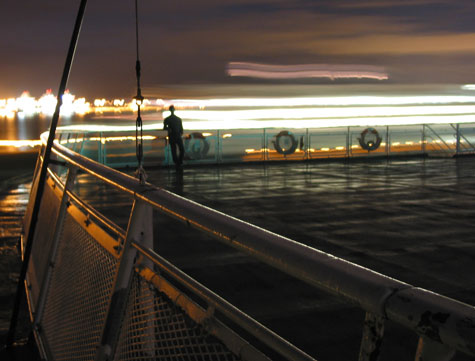
for those 15 second time exposures, try shooting with a 2.0 F stop if you can. depending on the lighting you may have to increase the aperture if it appears flooded by light polution.. i find a midrange aperture (on the powershot, that means around 4.5) best for shooting night time scenes that are lit up by street lights or interior lights (see this picture and this other one near the bottom of the post). if you are shooting something that is glowing with ambient light, i recommend dropping all the way down to 2.0 to really pick up the crazy vibrant glowing effect (see this picture and this other one).
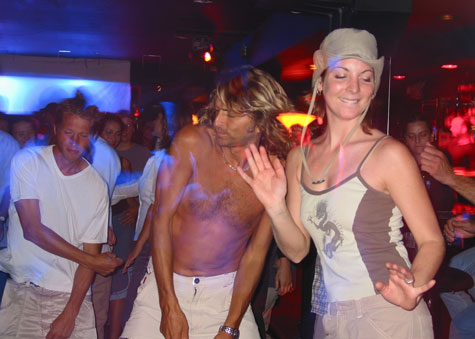
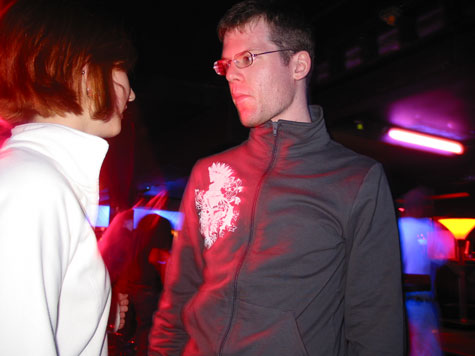
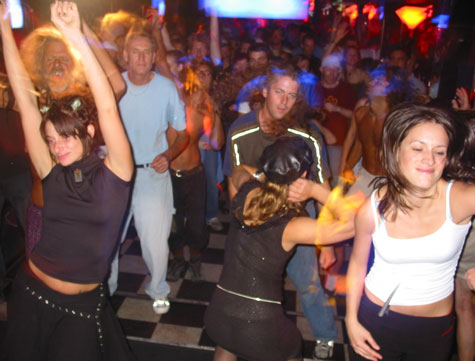
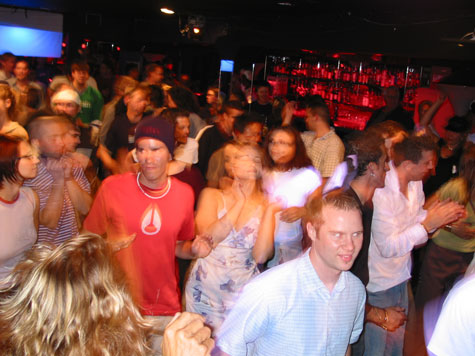
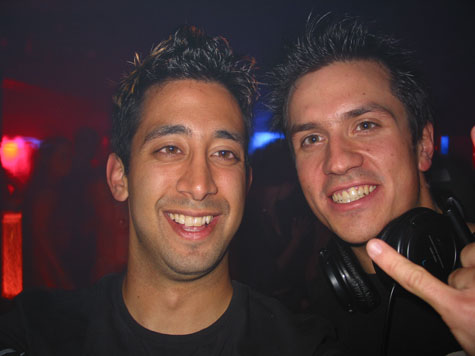
the nighttime mode, as krishen recommend, can give you some damn cool effects, especially in clubs. it flashes for a quick moment, and then holds the shutter open again for a second afterwards (see this picture). i think it’s called a ‘second curtain’ and with the g5 you can control more aspects of the timing of the flash. (that is really cool.) in this picture, i have the benefit of using the club’s strobe light as the flash, so you can not see the person’s hand moving around — it picks up the people as they are still and holds the shutter open to collect any additional movement by things bright enough to penetrate the image. sometimes there is enough light to get one clear picture of a moving object, and within the same picture, another image of the moved object or person (see these pictures, the fourth one down specifically).
everything i learned is pretty much from julie (who answered quite a few questions the first night i had the camera) and jim (who has been with me while i have done a bunch of these shots and giving me pointers). jim is currently not with a public site right now so i can’t link you to his pictures unfortunately but i have drained his brain on more than a few occassions on the subject of cameras, and specifically mine.
i mean, i know nothing about cameras.
this is my first one, i have had just over half a year. but i rarely go anywhere without it. you never know when you’re going to see something incredibly cool.
always experiment. you are not wasting film, a subject i have never been familiar with.
hope this helps!